'Magnetic Growth Insights' from 33 SME Property Consultants (4-minute read)
By Alex Harrington-Griffin

Part 3: Getting 'Return-on-Reputation': The Professionals Recipe
For property professionals, high-value assets aren't just bricks and mortar; they are the intellectual property (IP) used to communicate processes, value, and build prospect relationships.
Often, clients would mention their 'Case Study' PDF, but in the B2B marketing space, that would always be considered much more of a 'convincing' asset, used further down the line of a new project discussion, to help fill in any gaps in the 'can these guys do the job' puzzle.
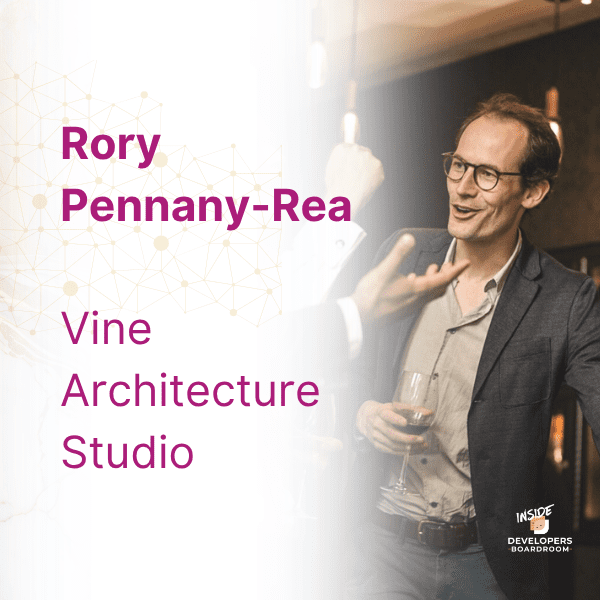
"We've always just been really determined to a good job. But I think I just always think the fundamental, for any practice, is to do well at the projects you have."
While I planned to purely cover assets like guides and ebooks, interviewee transcripts reveal a more urgent priority: packaging your reputation as a tangible value-add.
We can't take a happy property client into the next prospect meeting with us (99% of the time), so how do we share this high satisfaction with the next stakeholder?
With so many interviewees pushing the high quality of their work as the ultimate growth support, I've chosen to explore 'Return-on -Reputation', or ROR, for this edition of Magnetic Growth Insights.
"So I think actually doing a good job is the best. And again, might sound a bit cliche, but in the development industry, I doing a good job, being honest, having a good reputation, goes a long way."
Richard Quelch, Q Square
The Basic Ingredient – Testimonials
At an absolute minimum, collecting testimonials is the basis of a job done well. In B2B property advisory, most clients don't look toward TrustPilot or Google reviews to support their decision making.
LinkedIn or specialists procurement sites may offer the smaller clients some guidance, but with development at scale, we're often on our own to showcase our reputation.
Collecting short, meaningful and varied quotes from satisfied clients have long been good practice for professionals, yet so many simply do not ask. We do the job, we shake hands, and then we move onto the next lead or LinkedIn post.
Asking for testimonials or feedback may feel awkward for some, but I find it a lot more awkward trying to convey the how satisfied a developer or owner was in a meeting with a prospect, putting words in their mouth, with both parties knowingly wondering 'was that what they said?'.
It is also a great way to the start identifying themes to build the brand on top of, such as 'efficiently', 'above and beyond', etc. These become themes with which to shape your case studies PDF's, that go beyond the typical '25,000 sq.ft of commercial, bla bla bla', into short stories underpinned with your commonly recorded feedback.
The Golden Nectar – Squeezing Referrals
"The balance of it is, really most of our business is either repeat business or word of mouth."
Allan MacMillan, Founding Partner at C7 Architects
"Referrals is probably the best marketing."
Tina Patel, Director at Formed Architects
Another 'awks' topic is asking for referrals. Yet it is the MOST common driver of new business for consultants and advisors in property.
The majority of us would prefer the 'word-of-mouth' effect, which does happen – again, we do the job, we shake hands, and then we move onto the next one, hoping that previous client is handing out our contacts details like a Jehovah's Witness.
Getting 'ROR' works best when we have a plan for how to maximise it. If we're relying on others, then we need to give them the necessary guide notes to make it really simple, and also welcomed by the receiving party.
When you create a satisfied client, there is nothing shameful about asking if they know any others like them who may benefit from an introduction, but I would much rather always give my client something of value to take out to their network, which makes it more natural for them also.
Think short guides, trend reviews, timely checklists, invitation to an event, video mini-series for overcoming current challenges, maybe even a free service that is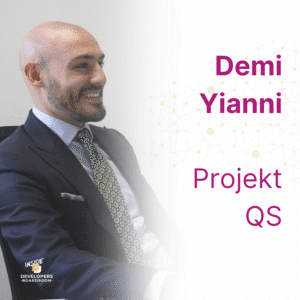 usually paid for (genuinely).
As an example, Inside DB recently worked with Demi Yianni at Projekt QS to summarise their advanced cost management process into a single page 'Value Add Asset', and help convey their reputation for 'defending developer capital' incessantly.
Sometimes a referee will read the content, sometimes they don't, but I know I feel much better about taking a supplier out to my network when they've got something interesting and relevant to share, and you're starting the relationship by offering relevant (key word), timely value, which your target client isn't going to be unhappy about!
The Pro's Power Cocktail – Reputation on Ice
I've watched proptech firm Valos.ai do this incredibly well of late on LinkedIn. Grabbing brief filmed testimonial clips with loyal clients talking about the value their product created for them AND their clients.
Focusing on 'value created', rather than generic praise, allows the audience to visualise the tangible impact of your work.
These professional 30-90 second clips are easy for clients to reshare with peers, acting as a 'power tool' in their own sales kit to demonstrate capability and value, like resi agencies do with Rightmove and Zoopla.
You only need 2-3 of these interviews a year to create enough tasters to serve out sparingly, and can be filmed in one day or event, as I've done for years with small, competitive media production firms like HadEnough Media.
So why is this all important?
'Diary of a CEO' super guest and '24 Assets' author Daniel Priestley taught me first-hand inside Developers Boardroom how business assets compound the value of every business function.
In a market where fees are constantly squeezed, a hard-fought reputation is a vital negotiation asset. It provides the definitive 'pillar' needed to prove your proposal is the best fit, achieving your ROR wherever possible.
Stand out. Do different. Be Magnetic.
Want Magnetic Insights in your inbox or LinkedIn feed? Subscribe here today



Leave A Comment